Rapidly growing scam siphons nearly $200,000 in 2 weeks from Oregon’s poorest families
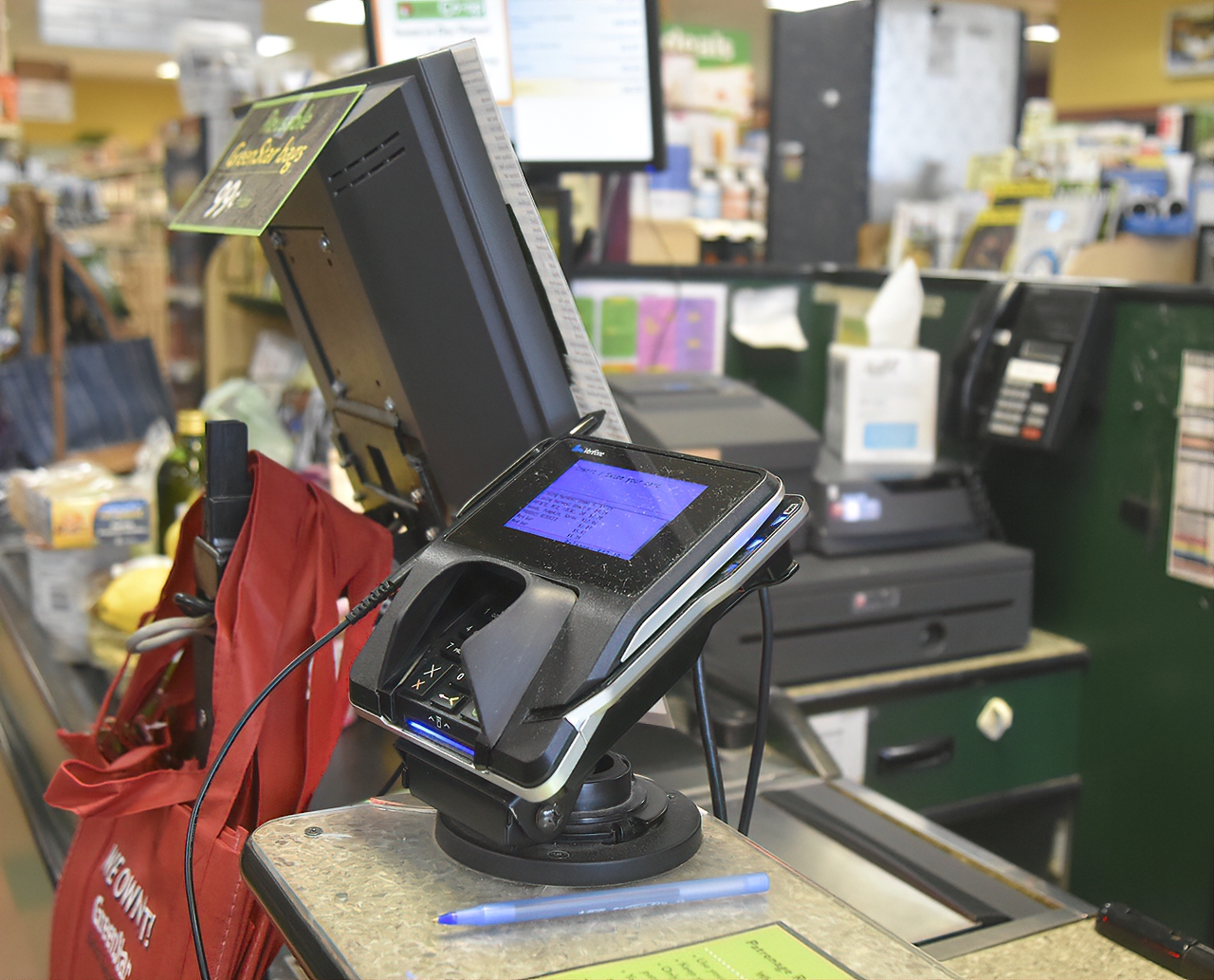
In the first half of September, thieves reportedly stole the food and cash benefits from 424 low-income Oregonians or their families by increasingly using a particularly sneaky technique: debit card skimmers placed over a store’s payment machines.
The number of Oregonians who reportedly fell victim in the roughly two-week period far exceeds the number — 285 — in all of July and August combined, state officials said Tuesday.
All victims were among Oregon’s neediest, enrolled in two governmental support programs — the Supplemental Nutrition Assistance Program (SNAP) or Temporary Assistance for Needy Families (TANF). About $188,000 has been reported stolen so far this month, a roughly 50% increase from the total amount reported stolen in all of July and August, when about $125,000 in benefits was reported stolen.
The thefts have averaged about $450 per individual or family account.
“This is theft from Oregon families who can least afford it,” said Oregon Attorney General Dan Rayfield, in a joint news release by the Oregon Department of Justice and the Oregon Department of Human Services, which administers SNAP and TANF benefits.
The thieves install skimmers while store employees aren’t looking. The Department of Justice shared a video this week, taken at a Medford grocery store, to show just how quickly it can happen: A suspected thief who is waiting in the checkout line can be seen reaching into his pocket and placing a skimmer on top of the card payment machine. It only takes a second or two.
Both agencies are warning Oregonians to be on the lookout for suspicious looking debit and credit card readers. Some skimmers cover the entire machine and “look nearly identical” to the actual machine.
But, officials said, there can be clues.
“Check for unusual attachments before using your card to pay,” reads the news release. “If the card reader or keypad looks loose or misaligned, do not use it. Ask the cashier when the machine was last checked.”
The devices illicitly collect customers’ card account numbers and PINs, and the thieves then proceed to empty out the entire account balances.
“The thief will do a couple small transactions to test if it’s going to go through,” said Jake Sunderland, spokesperson for the Department of Human Services. “So hypothetically there’s a transaction for $3, $5, $6 to test if it’s actually going to work. And the next one is $400, cleaning the entire balance off.”
The results are “devastating,” Sunderland said.
The state has the means to replace stolen TANF benefits, but it’s unable to replace the stolen funds from SNAP recipients because federal funding to do so ran out last year, the agencies said. As a result, the number of people who’ve fallen victims is likely underreported because some SNAP recipients probably don’t notify officials, knowing they won’t get their money back, Sunderland said.
Department of Justice spokesperson Jenny Hansson said the thieves likely are stealing the credit and debit card numbers from a wide swath of customers who scan their cards through tampered machines, but the thieves seem to be stealing from SNAP and TANF recipients the most. That’s because credit cards often have more security features that impede the thieves, Hansson said.
State officials say the thieves using card skimmers often have been targeting dollar stores or smaller retailers.
Sunderland said the thieves also have been stealing from SNAP and TANF recipients through other means, including phishing texts or emails where someone claiming to be the Department of Human Services asks recipients to access their accounts through scammers’ links or apps. Sunderland said he’s also aware of a past case where the thieves sent a letter using Department of Human Services letterhead and tricked a recipient into entering their account information into a fraudulent website.
“Skimming is a real issue,” Sunderland said, but “there’s more.”
The Department of Human Services offers tips on its website on how to avoid falling victim to a skimmer scam.
Contact reporter Aimee Green: [email protected].
STORY TIP OR IDEA? Send an email to Salem Reporter’s news team: [email protected].