I paid a visit to the current Community Emergency Response Team training class recently for an evening of hands-on practice. A significant portion of the session was dedicated to basic first aid, specifically applying bandages and splints. Following a classic CERT design, we used repurposed bedsheets cut into triangular bandages that can be used in a variety of ways. For splinting, we used cardboard salvaged from boxes, sized to stabilize the injured area.
These kinds of improvised first-aid supplies are the heart of a CERT team. During a major disaster, like an earthquake, our needs will quickly exceed the pre-packaged supplies we have stored. That is why we practice being resourceful, learning to create what we need from an old bedsheet and an Amazon box.
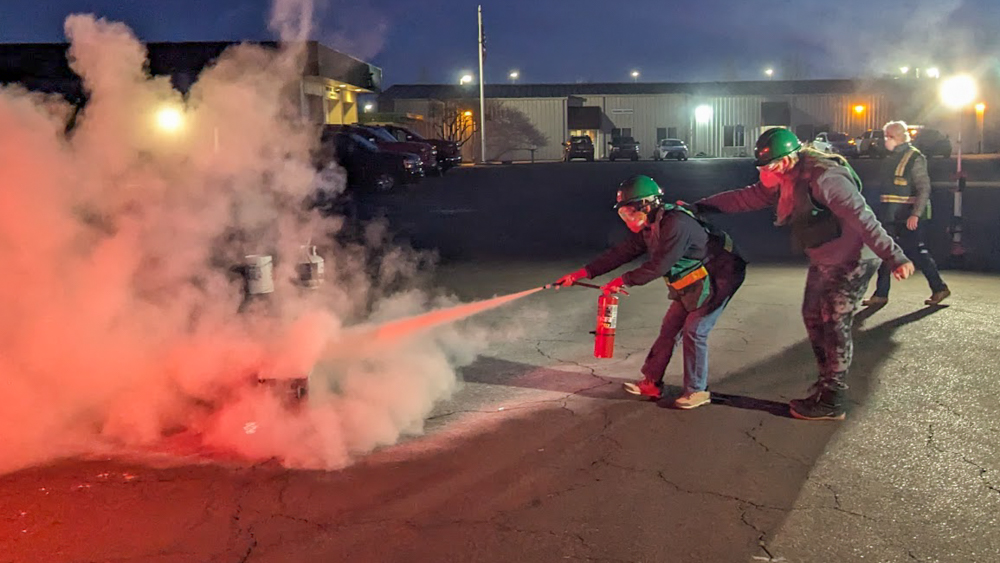
In addition to first aid, the trainees practiced the proper use of a fire extinguisher. While everyone should have an extinguisher in their home, knowing how to use it effectively is just as important as owning one in the first place. The key is to move in “slow and low” and aim the nozzle at the base of the fire to put it out effectively.
Over the last couple of months, we have laid the foundation for a more resilient 2026. We’ve talked about water, stocked up on proteins, and mapped out our emergency communication plans. But as any CERT volunteer will tell you, surviving a disaster isn’t just about calories; it’s about nutrition, comfort, and safety.
This month, we’re looking at the Oregon Office of Emergency Management 2 Weeks Ready food plan. A common mistake in preparedness is buying a 25-year bucket of “emergency food” that your family has never tasted. Instead, a truly effective food plan is built on three essential pillars:
First, prioritize familiarity. When the world outside feels chaotic, a familiar meal acts as a psychological anchor. The golden rule is to “store what you eat and eat what you store.” A major crisis is the worst possible time to experiment with a new diet or introduce unfamiliar dehydrated meals that might cause digestive upset. Keeping your family’s favorite brands of chili, soups, or snacks on hand provides a sense of normalcy that is vital for mental and physical health, especially for children.
Second, strive for balance. While high-protein canned meats are a great foundation, a diet consisting solely of salty, processed foods can leave you feeling lethargic, and more importantly, extremely thirsty. Including canned vegetables and fruits provides the essential vitamins and fiber your system needs to stay strong under the physical and mental stress of a week-long ice storm or a major disaster. This balance keeps your energy levels stable and helps conserve your water supply by reducing the thirst that comes with high-sodium meals.
Finally, look for efficiency. In a disaster, your resources are finite. Every cup of water you use to boil dry pasta is a cup of water you cannot drink. Efficiency means choosing “wet pack” canned goods that are already hydrated and can be eaten cold straight from the container if you lose the ability to cook. By selecting foods that require little to no heat or added water to prepare, you protect your most precious resources for where they are needed most.
March 2 Weeks Ready Checklist
If you are following our 12-month journey to becoming fully prepared, here are your goals for the next four weeks:
Week 9: Nutritional balance (canned fruit) While we focused on protein in February, this week is about vitamins and morale. Aim for at least one can of fruit per person, per day. Not only does fruit provide essential vitamin C and fiber, but the syrup or juice provides extra hydration and a sweet “normalcy” that can be a huge mood booster.
Week 10: Bedding and warmth If the power is out in the mid-Willamette Valley, it’s going to get cold quickly. This week, ensure you have dedicated blankets, sleeping bags, and pillows for every member of the household.
Week 11: Paper products and sanitation Hygiene is a medical necessity. This week, stock up on the “four horsemen” of paper products: toilet paper, paper towels, napkins, and tissues.
Week 12: Taking control (utility tools) Preparedness isn’t just what you have; it’s what you can do. This week, ensure you have the tools necessary to shut off your home’s utilities if there is a leak or a fire. A sturdy crescent wrench is a must, but many CERT members prefer the “on duty” multi-purpose tool, which can handle gas and water shut-offs with one simple design.
Next month, we turn our attention to one of the most vital components of resilience: the Water Plan. We’ve moved beyond the old “72-hour” standard; in today’s world, we prepare for the long haul. In April, our roadmap focuses on the specific needs of our most vulnerable family members, including essential supplies for babies and a comprehensive look at pet preparedness. We will also round out our nutritional stores with canned vegetables and finally discuss the best ways to organize and store your growing kit in containers that are ready to move if an evacuation is ever necessary. Preparedness is a journey.
Salem Reporter publishes a regular column from Mark Wardell, West Salem team leader for Salem’s Community Emergency Response Team, focusing on emergency preparedness and planning.
If you have any questions about this article, preparedness in general, or if you’d like to inquire about joining CERT or scheduling a CERT presentation for your organization, please don’t hesitate to contact me, Mark Wardell, at [email protected].
STORY TIP OR IDEA? Send an email to Salem Reporter’s news team: [email protected].
A MOMENT MORE, PLEASE– If you found this story useful, consider subscribing to Salem Reporter if you don’t already. Work such as this, done by local professionals, depends on community support from subscribers. Please take a moment and sign up now – easy and secure: SUBSCRIBE.

Born and raised in Portland, Oregon, Mark lived there most of his life before moving to West Salem in 2018. After moving to West Salem, he joined the Community Emergency Response Team (CERT), a FEMA program sponsored locally by the Salem Fire Department. Currently he is the Team Leader in West Salem, and part of the CERT Advisory Group for the city. Mark writes about emergency preparedness for Salem Reporter.