The city of Salem has hired an environmental consultant to investigate the presence of toxic chemicals found in soil samples at the Salem – Willamette Valley Airport in locations that have been used for firefighting foam testing and training.
The investigation began after traces of PFAS, toxic chemicals known as “forever chemicals,” turned up in soil samples taken from a development site on the south end of the airport in October 2024, a city press release from May 20 said. The acronym stands for perfluoroalkyl and polyfluroroalkyl substances, which are chemicals that persist in the environment and human body without breaking down.
The investigation report, which was provided to the city in late October, showed there was no contamination found in the groundwater, according to a city website page.
Environmental consulting firm called APEX Companies is conducting the investigation. It will focus on areas historically used for firefighter training such as the Fire Station 6 training area on the northwest side of the airport property.
The city hopes to better understand the risks posed by the chemicals so it can take steps to ensure the health and safety of Salem Fire Department staff, and airport employees, tenants and future developers, the release said.
In February the Oregon Department of Environmental Quality requested information on the airport’s usage of the firefighting foam, prompting the city to do its own research to learn where the foam was used.
Then, in April, DEQ requested information about the city’s use of the firefighting foam in training exercises at the airport. The foam is required by the Federal Aviation Administration and was used until Sept. 27, 2024.
After the DEQ’s request, the city said it hoped to learn where else the chemicals might be found on airport property and launched its own investigation on April 10.
The discovery comes amid growing regulatory attention to PFAS chemicals, which according to research and testing from the federal Centers for Disease Control and Prevention are thought to be in the blood of everyone in the U.S.
According to the agency, exposure can lead to high cholesterol and birth defects, heart damage and increased risks for cancers among other adverse health effects.
In April, DEQ said it would add six PFAS substances to the state’s list of over 800 regulated contaminants, and began imposing limits on how much of the chemicals Oregonians can be exposed to.
On May 14 Gov. Tina Kotek signed a bill, SB 91, that prohibits fire departments from using firefighting foam containing PFAS substances. The bill goes into effect on Jan. 1, 2026.
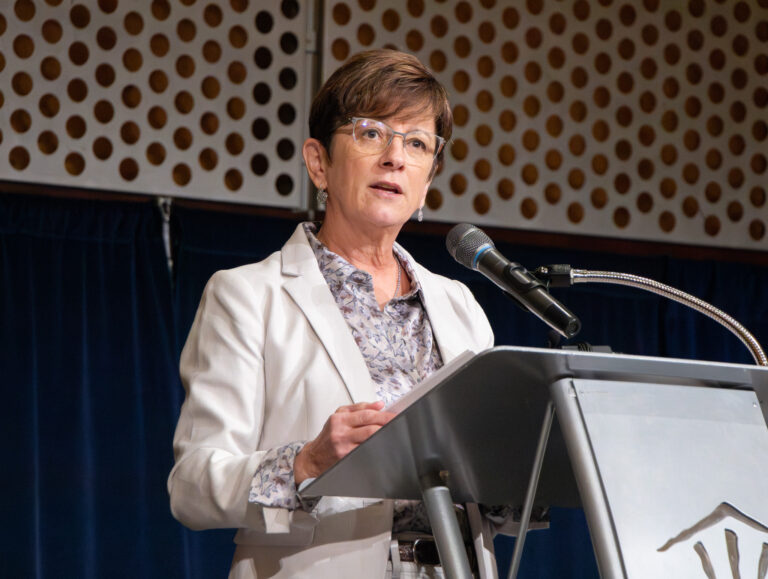
“We remain fully committed to working collaboratively and transparently with all stakeholders as we come to better understand what we’re dealing with on the airport property,” said Interim City Manager Krishna Namburi in a statement. “Protecting public health and supporting our firefighters, our airport tenants and the broader community remains our top priority. Together, we will move forward responsibly and do what’s right.”
The city’s investigation will take place in three locations on airport property and include soil and groundwater sampling.
They include the site for a proposed hanger development, the Salem Fire Station 6 training area where firefighting foam is routinely used, and a plane crash site where the foam was also used, the city’s website said.
Samples will also be taken from the Fire Station 6 training area in the coming months, the release said.
The city will also evaluate the potential exposure risks to firefighters and airport employees, assess the possible environmental and public health impacts, and come up with ways to address those impacts.
The Salem City Council, the fire department, and the Airport Advisory Commission among others will be updated on the matter. The community will also be informed as the process continues to unfold, city officials said.
The city said it will coordinate with regulatory bodies such as the Oregon Department of Environmental Quality and the United States Environmental Protection Agency as regulations continue to be developed.
The city said the initial investigative work can take a couple of months but depending on what is found, more work may be required and the entire process could take more than a year.
The initial stages of the investigation will cost $50,000 and more work could be required to reduce risk of exposure to people and the environment. More information about the investigation is available online here.
Contact reporter Joe Siess: [email protected] or 503-335-7790.
A MOMENT MORE, PLEASE – If you found this story useful, consider subscribing to Salem Reporter if you don’t already. Work such as this, done by local professionals, depends on community support from subscribers. Please take a moment and sign up now – easy and secure: SUBSCRIBE.

Joe Siess is a reporter for Salem Reporter. Joe joined Salem Reporter in 2024 and primarily covers city and county government but loves surprises. Joe previously reported for the Redmond Spokesman, the Bulletin in Bend, Klamath Falls Herald and News and the Malheur Enterprise. He was born in Independence, MO, where the Oregon Trail officially starts, and grew up in the Kansas City area.