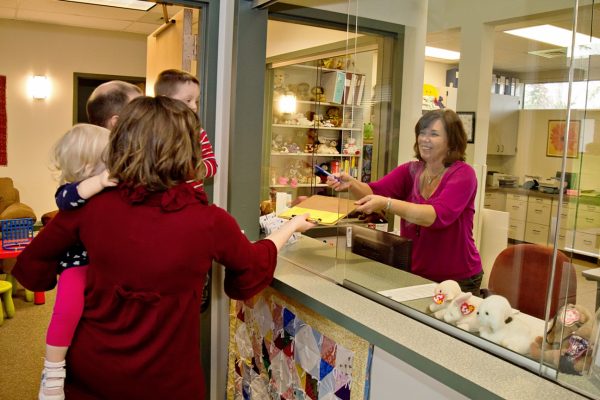
Editor’s note: This article discusses child abuse.
Last year, Liberty House leaders expanded their work supporting abused children by opening a center in Woodburn to better serve rural communities.
The need was great, CEO Alison Kelley said. Children in that area were having trouble accessing their services in Salem, and the need was only growing along with the population.
But the increased costs of running the badly-needed service, combined with Trump administration proposals to cut Medicaid funding and declining federal grants for crime victims, have placed the longtime Salem nonprofit in a bind.
The state-mandated and nationally accredited Children’s Advocacy Center is turning to Oregon lawmakers with a funding request for the first time since opening in 1999. They’re asking for $5 million in one-time funding over two years with SB 1013.
“At this moment, we risk losing everything we have worked for twenty-six years to build,” Kelley said in written testimony March 11 supporting the bill.
Liberty House, which serves all of Marion and Polk counties, is one of 24 Children’s Advocacy Centers throughout the state. When child abuse is reported to the Department of Human Services or law enforcement, the child is brought to Liberty House within a day or two.
There, Liberty House has doctors and experts on staff who conduct a medical exam and forensic interview to collect evidence of abuse for the case. The center also supports non-accused caregivers through navigating the shocking news that a child in their life has been abused, and learning how to best support the child moving forward. It is all done free of charge to the child and their family.
The model, which is mandated by the state, is a proven way to reduce trauma to children by limiting the number of times a child has to share their experience with strangers, and giving them a designated safe place outside the home to do so. Before such centers existed, children would have to speak with police, investigators, lawyers, social workers and more, who weren’t always trained in asking the right questions to navigate their trauma. That could make prosecution more difficult.
In 2022, Marion and Polk Counties had over 10,000 reports of child abuse, and 1,847 confirmed incidents, according to state data complied by Liberty House.
The nonprofit has served 15,000 children since opening in 1999, and currently helps about 1,000 a year, Kelley said. At its North Salem location, workers see up to 30 children per week who range from a few days old to 18, and sometimes young adults with developmental disabilities who experience high rates of abuse.
The need for the services Liberty House provides defies logic, Kelley said in an interview.
“As humans, we would be more apt to do the things that are necessary for kids to grow up and be healthy,” she said. “Instead, the reality is that there are extremely violent crimes that are committed against children.”
But growing need led them to expand to a third location in Woodburn last year, in addition to their north and west Salem clinics. A lack of transportation options in north Marion County meant children who needed their help couldn’t get to appointments in Salem. The population in the Woodburn area is projected to keep growing.
The Woodburn facility was built without debt and opened last May, she said, but the new venture increased their operating expenses. Among them was needing to pay high salaries to recruit pediatricians to work in a rural area.
In 2024, the nonprofit had $5.9 million in expenses, about $467,000 more than its revenues which it made up using reserves.
Though the nonprofit’s services are a required step in child abuse investigations, government grants cover only 14% of operating costs, Kelley said in her testimony. Insurance billing covers a little over a quarter of costs, meaning over half must come from donations.
“Threatened federal budget cuts to Medicaid would pull the rug out from under us,” she wrote, referring to proposals from Congress and the Trump Administration to cut $880 billion in federal spending, mostly to Medicaid.
Other stresses include a projected 42% cut to the Victims of Crime Act funding. Losing that money for Liberty House would represent cutting one medical provider, and Kelley said it would harm agencies throughout the state. She asked the state to also support another bill which would restore those funding cuts with state money.
“The funding system for Oregon’s (Children’s Advocacy Centers) is too fragile. This is why we are asking for your help,” she wrote.
In addition to the request to the Legislature this year, they’re ramping up fundraising requests to the community. Donations fluctuate year to year, and Kelley is concerned that national economic issues and policies may lead to people reducing their donations.
They hope to bring in $900,000 more per year for an endowment from private donations. They want to reach that by June 30, she said. They are about halfway there as of May 13, according to Bruce Anderson, deputy chief executive officer.
“Hats off to all of our donors who helped us operate in the green, operate in a net positive, for 11 out of the 12 years that I’ve been here. We want to get back to that,” Kelley said.
The funding would allow them to bridge the gap, double their long-term capacity, and strengthen services. They estimate that they’ll be able to serve hundreds more children each year with the investment.
“The model for supporting this organization is really fragile, and I personally feel very sad that we have to do these fundraising dinners to support life-saving medical treatment for children. That feels unbalanced to me,” Kelley said.
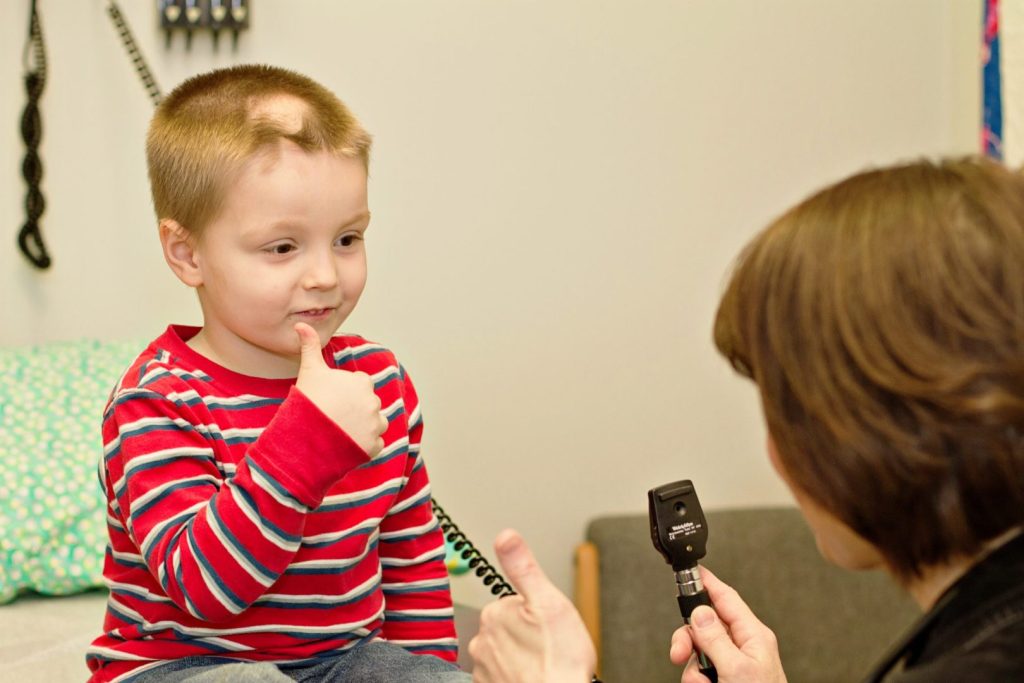
Most days of the week, staff at Liberty House in north Salem see some of the worst parts of society.
Inside are the squishy, colorful mats on the floor to help children ground themselves before a therapy appointment. There’s a two-way mirror to record interviews for court which is explained and shown to the children beforehand. There are toys in a private waiting room, calming colors on the walls and locally handmade quilts on the furniture.
In an average-looking doctor’s office, there’s a specialized medical camera that can find evidence of hands around a child’s throat by detecting bruising underneath the surface of the skin.
Their staff includes board certified pediatricians who specialize in child abuse and collect evidence for cases. Exams can take upwards of four hours, with the doctor going as slowly as the child would like, and not doing anything without their permission. Some children are only comfortable getting their ears checked. Some have never seen a doctor before.
“We see kids who’ve been trafficked, they’ve been victimized in so many ways. Their natural protective mechanism will not allow them to really warm up. They don’t know who to trust,” Kelley said. “It’s really more about building trust and helping them feel more empowered.”
Verbal children over age four will sit down for a forensic interview to collect evidence for a case. There’s a mirrored cabinet in the room, and before it starts the investigator opens it to show the child the camera inside, and explain that a social worker will be watching and listening as they’re being recorded.
“We’re very transparent and honest, because sometimes children, by the time they get here, have very poor experiences with people taking advantage of them with cameras,” Kelley said.
In 2016, the organization added a Hope & Wellness Program which provides trauma-focused therapy sessions to both children and adult family members. Families can get help through a referral from other Liberty House services or an outside organization. They have three full-time therapists, and last year hosted 1,600 therapy sessions.
Kelley said there’s a straight line between child abuse and later-in-life issues like substance use, homelessness and job loss. Their resources help people recover, she said, which has a positive, community-wide social and financial impact in the long-term.
Keeping the organization in the green for most of her tenure has been a complex balancing act, Kelley said. They have unique expenses, including needing to be ready for several staff members at a time to be pulled away for several days of court testimony.
Their funding bill passed unanimously out of the state Senate Committee on Early Childhood and Behavioral Health, and is currently in the Joint Committee on Ways and Means, which determines funding requests.
There was a public hearing for the bill on April 11. Kelley spoke in front of the senate committee while fighting back tears.
“I’ve testified in front of tons of committees, and I think it’s just the fatigue,” she said. “It’s exhausting work, and you never really know how tired you are until you’re in front with a microphone in your face.”
Contact reporter Abbey McDonald: [email protected] or 503-575-1251.
A MOMENT MORE, PLEASE– If you found this story useful, consider subscribing to Salem Reporter if you don’t already. Work such as this, done by local professionals, depends on community support from subscribers. Please take a moment and sign up now – easy and secure: SUBSCRIBE.

Abbey McDonald joined the Salem Reporter in 2022. She previously worked as the business reporter at The Astorian, where she covered labor issues, health care and social services. A University of Oregon grad, she has also reported for the Malheur Enterprise, The News-Review and Willamette Week.