Oregon lawmakers upset about persistently poor education outcomes for many students voted against several of Gov. Tina Kotek’s new appointments to the commission that determines the resources needed to create a system of high quality schools.
The protest votes against three nominees to the state’s Quality Education Commission weren’t because the candidates weren’t qualified, lawmakers said. Rather, they criticized the effectiveness of the commission, hinting at the need for major reform in the 2027 legislative session.
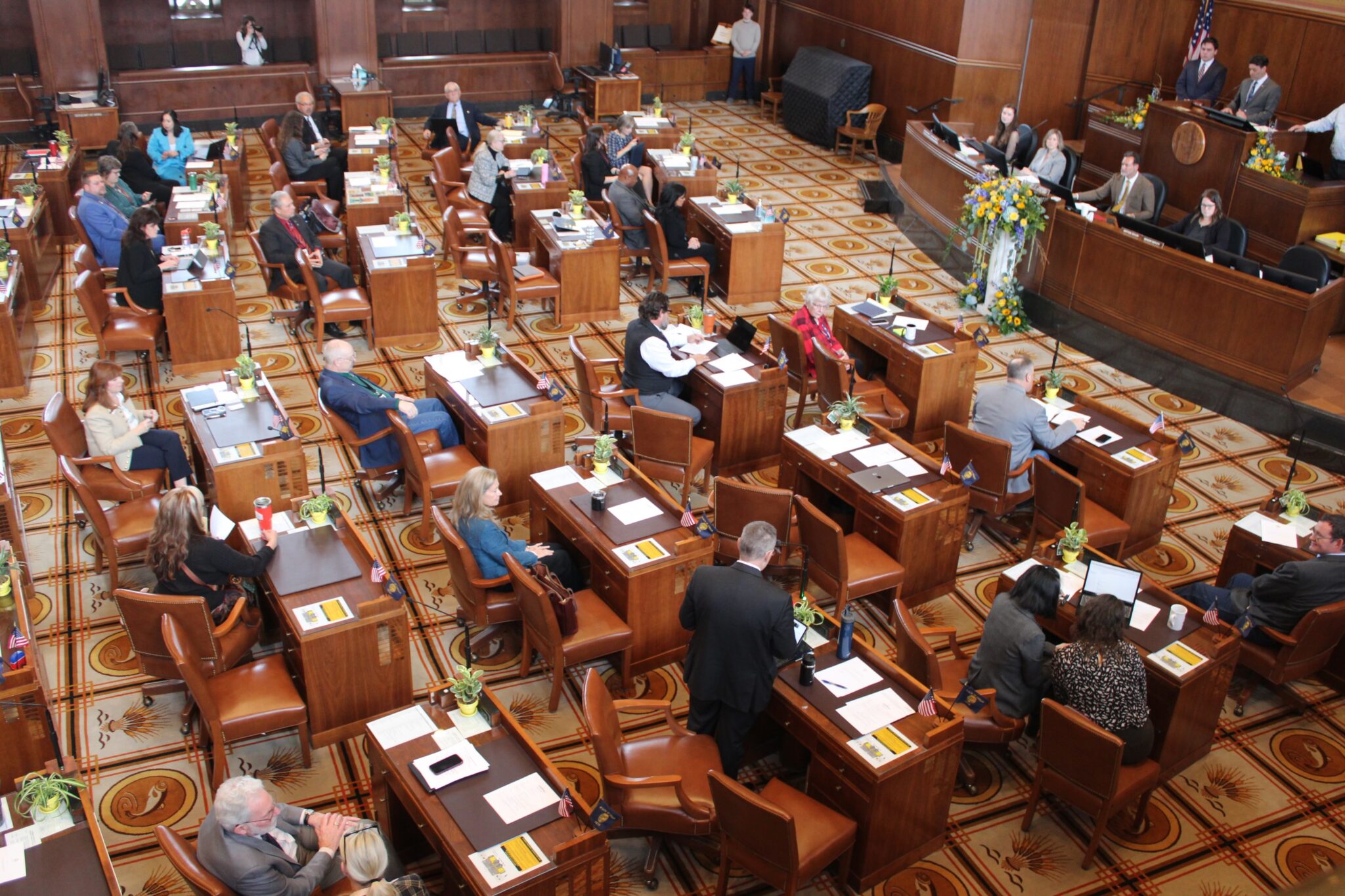
The nominees were among 145 Kotek nominees the Senate confirmed on Wednesday to a slate of councils, boards and commissions.
Most appointments were speedily approved by the Democratic majority, with nearly no debate. Republicans, however, voted against every single appointment in protest of what they described as a lack of transparency and time to vet the candidates.
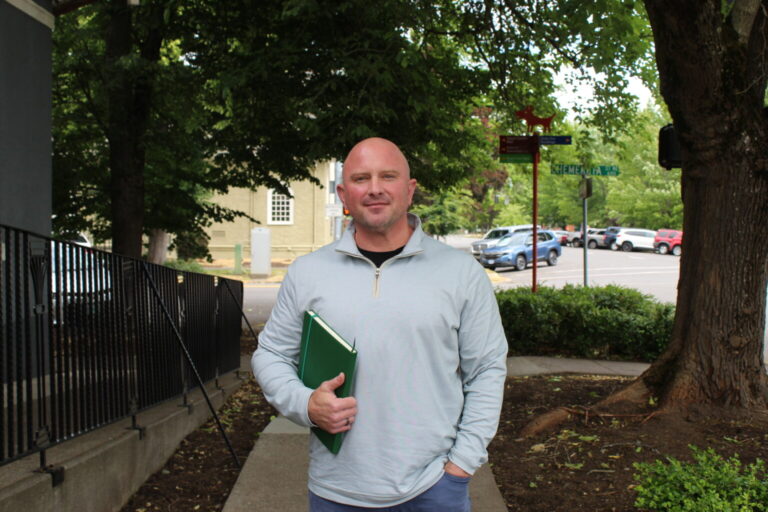
Senators voted separately on the Quality Education Commission, which drew the most controversy in a 16-12 vote. Sen. Janeen Sollman, D-Hillsboro, joined all Republicans in voting against confirming Albany Public Schools teacher Dana Lovejoy, Salem-Keizer educator Tyler Scialo-Lakeberg and Coos Bay School District superintendent Gary Roberts.
Click here to see the list of executive appointments the Oregon Senate approved Wednesday.
“The question before us isn’t whether these are good people, it’s about process,” Sollman said as she began debate by criticizing the commission’s role in the state’s education funding formula.
She and Rep. Ricki Ruiz, D-Gresham, earlier this year unsuccessfully led an attempt to overhaul the state’s education funding model. That effort contributed to her May primary loss: The Oregon Education Association gave her opponent and union member Myrna Muñoz more than $75,000, much of it in the form of paid canvassing.
“I do not believe that these appointments, through the positions they hold, will build the Quality Education Commission Oregon needs to generate the data, the rigor and the analysis our school funding decisions deserve,” Sollman said.
Oregon’s 27-year-old Quality Education Commission has 11 members and is charged with researching best education practices and determining how much money is needed to meet state education goals, including a 90% graduation rate statewide. The commission presents its findings, known as the Quality Education Model, to the education appropriation committee and governor every two years to guide budget decisions.
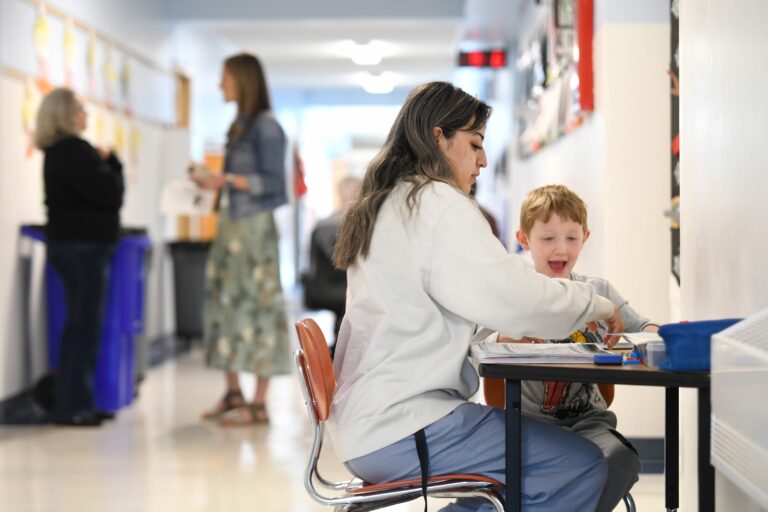
But lawmakers recently began questioning if that framework is working. The Oregon Legislature allocated $11.4 billion for schools during the 2025-26 and 2026-27 school years, and yet recent national test scores show Oregon elementary and middle school students rank among the bottom of states in math and reading.
The Oregon Department of Education allocates money to school districts using a Quality Education Model formula that relies in part on U.S. Census Bureau data estimates to calculate how many students come from families living in poverty, despite state data often showing numbers much higher than the Census Bureau estimates. Oregon is the only state to follow this method, the Oregonian reported.
The formula undercounts the true number of students experiencing poverty, school superintendents say, which means districts who serve more of those students aren’t receiving the funding needed to support them.
Several Republican lawmakers agreed with Sollman.
“It should not be hard to get this right,” said Sen. Noah Robinson, R-Cave Junction. “We continually kick the problem down the road. We’re planning to eventually have a plan to fix the problem, and we need more urgency. Our students are being educated now. They’re not going to benefit from something that’s done in 10 years or even five years from now.”
Senators with teaching backgrounds spoke in favor of the appointments while also recognizing the need to reform the funding model. That includes Sen. Lew Frederick, a Portland Democrat and chair of the Senate interim education committee.
“We are all looking at some significant changes, I believe, in the Quality Education Model,” he said. “I am optimistic and encouraged by the fact that we have folks in this body who want to make a difference, and I think these three candidates will actually attempt to do just that.”
Sen. Courtney Neron Misslin, D-Wilsonville, said the appointees are capable of interacting with research data that can help improve Oregon’s education system.
“While I am in full support of modernizing our processes around cost modeling, we must do it in partnership with people doing the work,” she said. “The professional judgment we need to include at the quality education table is that of educators.”
Oregon Capital Chronicle is part of States Newsroom, a network of news bureaus supported by grants and a coalition of donors as a 501c(3) public charity. Oregon Capital Chronicle maintains editorial independence. Contact Editor Julia Shumway for questions: [email protected]. Follow Oregon Capital Chronicle on Facebook and Twitter.
STORY TIP OR IDEA? Send an email to Salem Reporter’s news team: [email protected].

Mia Maldonado began working at the Oregon Capital Chronicle in 2025 to cover the Oregon Legislature and state agencies with a focus on social services. She began her journalism career with the Capital Chronicle's sister outlet in Idaho, the Idaho Capital Sun, where she received multiple awards for her coverage of the environment and Latino affairs. She has a bachelor's degree in Spanish and international political economy from the College of Idaho. Born and raised in the West, Mia enjoys hiking, skiing and rockhounding in her free time.