Hospitals, local leaders plan to expand mobile care to improve health care access in Marion and Polk

Salem-area hospitals and health organizations plan to host free sports physicals and health screenings and expand mobile health care services for residents over the next five years.
Those efforts are part of a new health improvement plan that aims to improve access to health care, housing stability and mental health and substance abuse services for Marion and Polk county residents between 2026 and 2030.
Those areas were previously identified as top health issues for the two counties in an assessment released in April 2025. The plan, published in December, outlines over 90 actions that local hospitals, health departments, insurance companies and community organizations will take to address the issues.
The Marion-Polk Community Health Collaborative brings together local organizations to make the assessment and subsequent plan every five years. The group includes Marion County Health & Human Services, Salem Health, Willamette Health Council, Legacy Health, Santiam Hospital & Clinics and dozens of others.
The collaborative identified housing instability and substance abuse as top issues in the previous assessment. Access to health care emerged as a new issue through focus groups and survey responses from over 2,000 residents.
“That came out very loud and clear,” said Katrina Griffith, Marion County Health & Human Services deputy director.
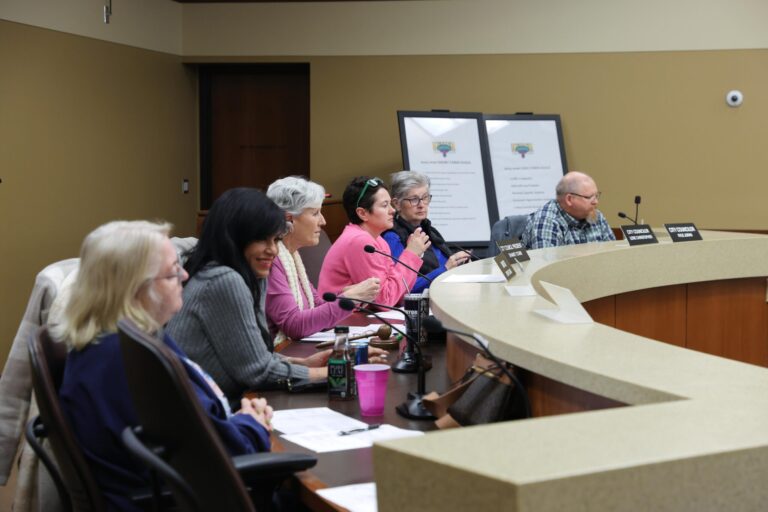
Participating organizations volunteer to take on action items to address the three priority areas found in the assessment. They will meet monthly to track progress and ensure continued collaboration.
Griffith called the plan a “North Star” for local health organizations.
“For a local public health authority, it does inform your strategic plan, and it helps provide those guide posts on, ‘What are we saying yes to?’ and ‘What are we saying no to?’ and ‘What are we potentially putting in the parking lot for another day?’” Griffith said.
Around two in three people surveyed in the assessment reported facing barriers to accessing health care. Respondents reported difficulties with getting an appointment quickly, finding providers accepting patients, high costs, insurance coverage issues and anxiety about seeking care.
The collaborative wants to expand mobile health services and have more public health events so more people can get care they need.
The development of the Salem Fire Department’s REACH team, which launched earlier this month, was driven in part by the plan’s goal of increasing mobile health services, Griffith said. REACH, which stands for Rapid Engagement Assessment and Community Health Team, will respond to people experiencing mental health crises. The city partnered with Marion County to launch the team.
“Mobile health is a key priority for us, and so when we were approached by Salem Fire back in June. It was like, that was an easy partnership, easy yes,” Griffith said.
The plan details that Marion County health department intends to launch at least two mobile response services with a community partner, such as they did with REACH.
PacificSource, the coordinated care organization which administers the Oregon Health Plan locally, wants to expand mobile dental services with two community events. Santiam Hospital & Clinics, Legacy Health, the health department and other organizations want to collaborate to test a mobile health service in two under-resourced or rural communities.
Salem Health will host three free sports physical events for 350 youth by June and at least six free health screenings by June 2027. Santiam Hospital & Clinics plans to do 10 community health education presentations on preventative care.
The assessment also found that residents in Marion and Polk have fewer health care providers per person than Oregon on average. To address the gap, the collaborative wants to implement trainings, pursue turnover prevention methods and launch a campaign to attract more diverse providers to the region.
The collaborative also wants to reduce the number of homeless people, including students. They plan to address this through community engagement and support for existing homeless services.
Leaders want to lower the number of households that spend more than 30% of their income on rent through advocacy and financial educational classes for residents.
They also want to bring down suicide rates and reported poor mental health in teens and adults by doing more mental health screenings and having trainings for first responders and providers on suicide prevention.
They plan to reduce substance abuse through expanded prevention and treatment services.
Progress reports for the plan are released annually. The next report will be out in September.
Have a news tip? Contact reporter Hailey Cook: [email protected] .
LOCAL NEWS DELIVERED TO YOU: Subscribe to Salem Reporter and get all the fact-based Salem news that matters to you. Fair, accurate, trusted – SUBSCRIBE

Hailey Cook covers healthcare for Salem Reporter, from the city’s only hospital to local outlooks on health insurance coverage. She joined the newsroom in 2025, following the completion of an internship through the University of Oregon’s Charles Snowden Program for Excellence in Journalism. She also works as a photojournalist, capturing community events, government meetings and other gatherings.