Why Oregon has 3rd highest percentage of SNAP recipients in U.S.
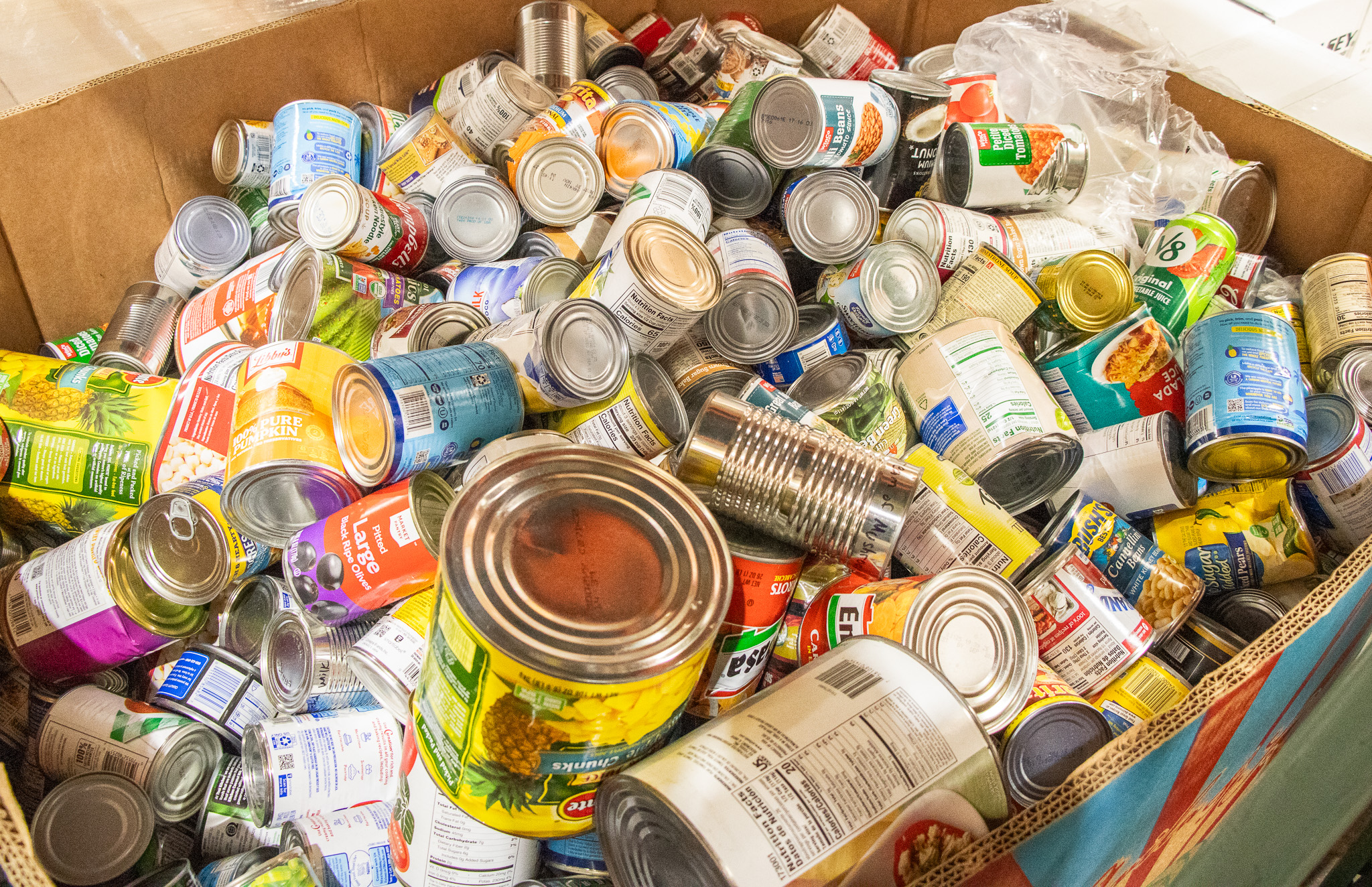
The halt to federal food money that began Saturday and has thrust many Oregonians into desperate times — uncertain of when their SNAP cards will be recharged — has shined a light on the sizable swath of Oregon’s population in need.
But it also has exposed a confounding set of statistics.
While Oregon ranks third among U.S. states for the highest percentage of residents who receive benefits through SNAP — the Supplemental Nutrition Assistance Program — the state ranks 21st in the percentage of residents living at or below the poverty line, according to numbers compiled by the federal government.
When just looking at children, Oregon ranks 26th among states with the highest rates of children living at or below the poverty line.
How can Oregon rank so high in food assistance if it’s roughly in the middle for need?
Mark Edwards, director of Oregon State University’s Policy Analysis Laboratory and one of preeminent experts on food insecurity in the state, said there’s a relatively straightforward explanation.
“The Department of Human Services — and all of the nonprofits that they work with around the state to enroll people — they’ve actually done a great job making sure that as many people as we can get to who are eligible get signed up,” Edwards said. “That cannot be said for many other states who seem like their departments of human services seek to make it as hard as possible for people to sign up.”
Chris Baker, an administrator at the Oregon Hunger Task Force, agrees. “Oregon has historically done a very good job of connecting people to services,” Baker said in an email.
Edwards said the statewide push began about 20 years ago when state officials and nonprofits recognized a staggering difference in the number of Oregonians who were food insecure compared to the rest of the nation. Those efforts paid off as food insecurity began to drop about 10 years ago, though the arrival of the COVID-19 pandemic in 2020 eroded some of those gains, Edwards said.
Today, one in six or nearly 18% of Oregonians rely on SNAP to eat. That’s 757,000 people. Nationwide, one in eight or 12% of Americans receive SNAP money. That’s about 42 million people.
New Mexico has the highest portion of residents who qualify for federal food aid, at about 21%. It’s followed by Louisiana at 18.4%, according to federal data.
Sara Campos, a spokesperson for the Oregon Department of Human Services, said the state’s goal has been “ensuring that everyone who qualifies for SNAP can access it.”
“We have long invested in simplifying access through online applications, multilingual outreach and partnerships with schools, community organizations and local food networks,” Campos said in an email.
That means educating residents who may qualify and helping them enroll. To qualify, Americans generally must have incomes of 130% or less of the poverty level, though that isn’t the sole determining factor of whether people can receive federal food aid. But in addition, states have the ability to adjust the rules, and Oregon allows for eligibility for people earning up to 200% of the poverty level.
Oregon also has asked the U.S. Department of Agriculture — which sends SNAP money to states — for waivers. That includes receiving special permission in 2025 to continue to give SNAP benefits to some “able-bodied adults without dependents” in 30 mostly rural counties where it’s more difficult to find jobs because of high unemployment rates.
“It was all within the law,” Edwards said of the waivers Oregon has received. “We did everything that the feds said we could.”
Depending on income, a single SNAP recipient who lives alone can receive between $24 to $298 per month, according to the Oregon Department of Human Services, which distributes federal food money. A family of five can receive up to $1,183 per month. These figures work out to be a maximum of about $7.90 to $10 per person per day.
But that’s when recipients are receiving their fully allotted amounts. The federal government shutdown, which began Oct. 1, came with a freeze to SNAP money starting last Saturday, Nov. 1. Just before the freeze took effect, however, two federal judges ordered the Trump administration to pay at least partial benefits to SNAP recipients. The administration’s lawyers said Monday that the federal government would pay about half of what’s normally due recipients in November.
But President Donald Trump on Tuesday suggested the government would allocate nothing until the shutdown is over. “SNAP BENEFITS … will be given only when the Radical Left Democrats open up government,” Trump wrote in a Truth Social post.
Baker, at the Oregon Hunger Task Force, said her organization remains “deeply concerned” about those in need across Oregon. In addition to the current freeze in benefits, Baker’s worry is fueled by the passage of the Trump-backed H.R. 1 — also known as the “One Big Beautiful Bill Act” — that passed Congress in July and will further restrict SNAP benefits to Oregonians and people across the U.S.
“While past (Oregon) investments helped stabilize families through the pandemic, those safety nets are now stretched to their limits,” Baker said. “With the federal SNAP cuts under H.R. 1, the ongoing government shutdown, and the rising cost of food and essentials, we expect food insecurity to increase significantly in the months ahead.”
This story was originally published by The Oregonian/OregonLive and is reprinted with permission. Contact Aimee Green: [email protected].
STORY TIP OR IDEA? Send an email to Salem Reporter’s news team: [email protected].
A MOMENT MORE, PLEASE– If you found this story useful, consider subscribing to Salem Reporter if you don’t already. Work such as this, done by local professionals, depends on community support from subscribers. Please take a moment and sign up now – easy and secure: SUBSCRIBE.