For years, critics have blamed Oregon’s 2020 ballot measure that decriminalized possession of small amounts of drugs for the state’s rising crime and overdose rates. But a new study suggests otherwise.
Researchers from Portland State University’s Department of Criminology and Criminal Justice released their final report examining the impacts of years of major drug policy changes between 2008 and 2024 on crime and drug-related deaths. The report, created in partnership with the National Institute of Justice, finds little evidence to support claims that Oregon’s drug decriminalization policy caused higher crime and overdose deaths.
The report outlines a decade of Oregon’s drug policy reforms, starting in 2013 when Oregon enacted a law reducing mandatory minimum sentences for marijuana and diverted more drug offenses to probation. Then in 2017, lawmakers passed a law to reclassify moderate drug possession felony offenses to misdemeanors for Schedule 1 or 2 drugs, such as heroin and cocaine.
Finally, in November 2020, Oregon voters passed Measure 110, which decriminalized possession of small amounts of drugs, such as methamphetamine and fentanyl. The policy took effect in 2021, downgrading misdemeanor charges to a violation punishable with a $100 fine.
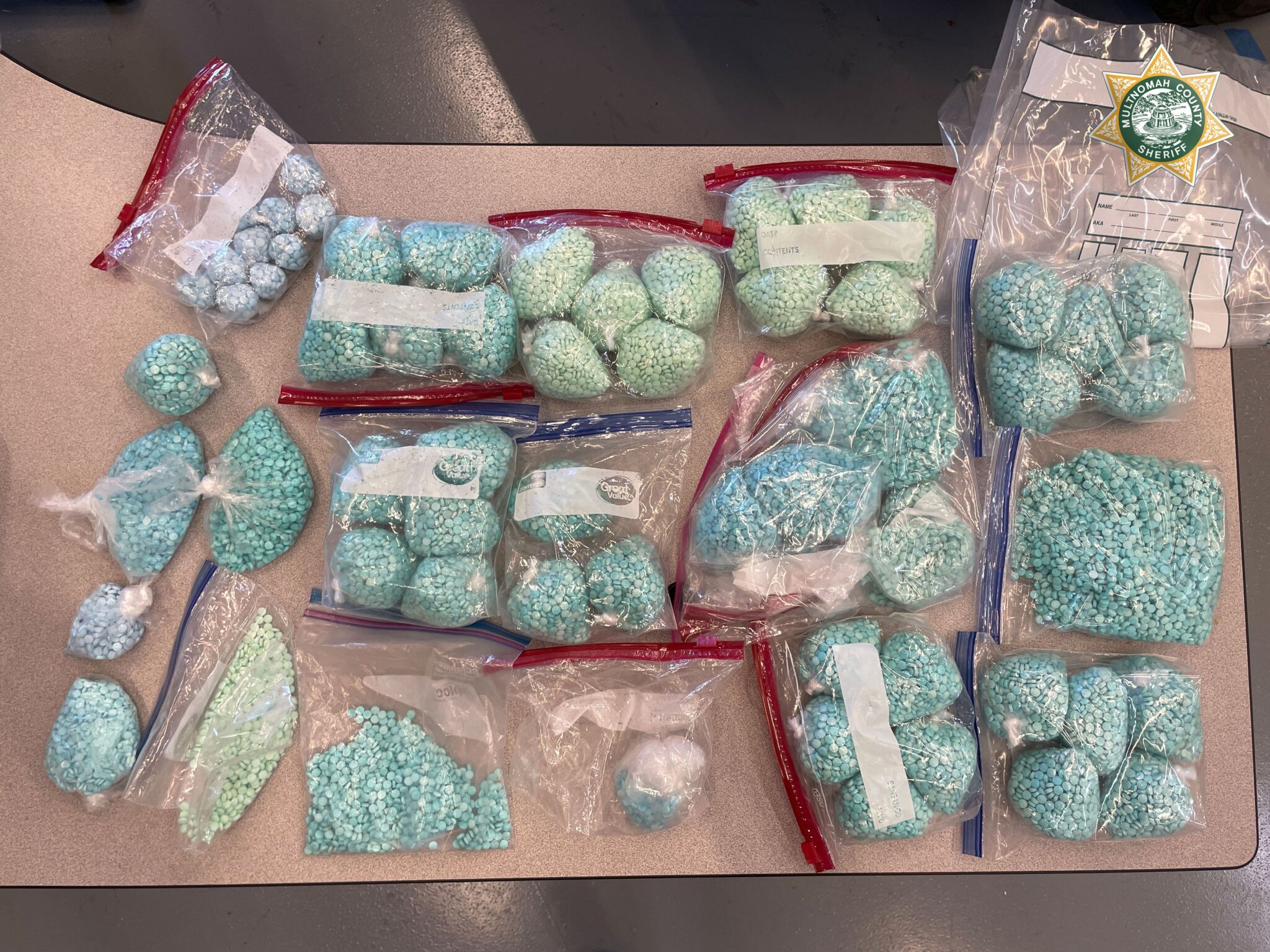
Researchers found no evidence linking the measure to increased crime or drug deaths. Instead, the study found the COVID-19 pandemic and the emergence of fentanyl were the main drivers behind the rise in crime rates and drug-related deaths.
“Of all the events we examined, the COVID-19 pandemic disrupted the justice system the most, more so than any legislation,” Brian Renauer, a lead researcher and university professor, said in a news release.
In 2020, there were 816 overdose deaths in Oregon — about 200 more than the previous year. That number more than doubled and peaked in 2023 at 1,833 overdose deaths.
Lawmakers anticipating a citizen-led initiative to repeal Measure 110 effectively ended the drug decriminalization experiment, when overdose deaths had already begun to decline. There were 1,480 recorded overdose deaths in 2024.
Since the new law took effect in September, people caught with small amounts of drugs can once again be arrested and face criminal charges. But they can avoid charges by entering a deflection program and receiving treatment.
Christopher Campbell, a lead researcher and associate professor at the university, said that while Measure 110 had its flaws and regional impacts, crime trends statewide were stable or declining by 2023.
“What we observed was far from a causal connection to Measure 110,” Campbell said. “Rather, we saw an unprecedented impact of the COVID-19 pandemic and fentanyl on public health and safety outcomes.”

Mia Maldonado began working at the Oregon Capital Chronicle in 2025 to cover the Oregon Legislature and state agencies with a focus on social services. She began her journalism career with the Capital Chronicle's sister outlet in Idaho, the Idaho Capital Sun, where she received multiple awards for her coverage of the environment and Latino affairs. She has a bachelor's degree in Spanish and international political economy from the College of Idaho. Born and raised in the West, Mia enjoys hiking, skiing and rockhounding in her free time.