Keizer city councilors got plenty of advice from residents recently about expanding Keizer’s boundary to make room for more people. Among the take-aways:
• They worry about already-congested streets becoming more crowded.
• They worry about losing Keizer’s small-town feel.
• And they are concerned about how the city – the public – will pay for a growing municipality.
Residents voiced their views at two recent informal town halls put on by city officials.
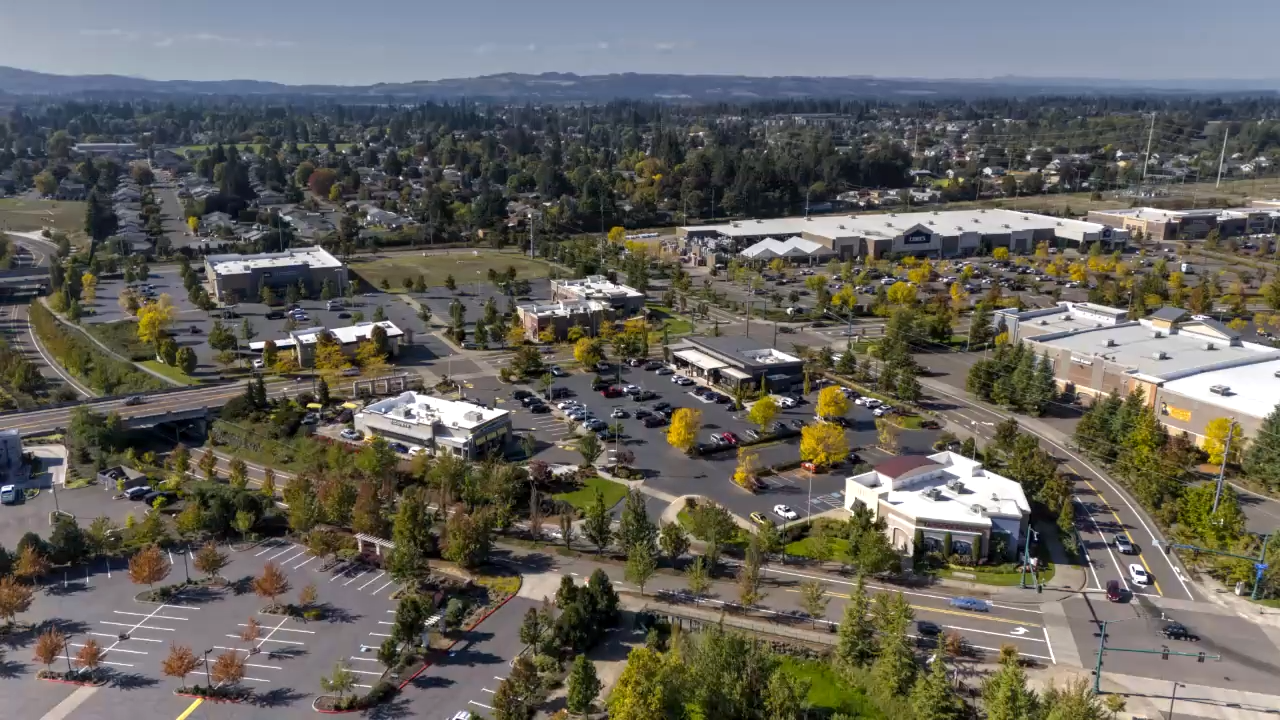
The prime issues are how and when to change the land-use belt that constrains Keizer. The urban growth boundary limits development and protects farmland from industrialization or housing development.
Nearly 40,000 people call Keizer home and studies indicate at least another 50 acres of land is needed for housing to meet the projected increase in population.
City officials counted 43 people at the most recent town hall, held at city hall on Tuesday, May 27. One also was held on May 10.
In written responses to the Keizertimes, councilors shared what they took away from the session.
“What I heard was that citizens are concerned about traffic congestion, infrastructure cost and increased taxes to existing citizens,” said Councilor Kyle Juran.
Councilors Dan Kohler, Lore Christopher, Soraida Cross and Shaney Starr also found traffic congestion to be a top issue for residents.
“Traffic is already bad,” Starr said, summarizing views she heard. “What will traffic be like, especially with the continued addition of multi-family, high-density housing?”
“Many citizens worried that expanding the city’s boundaries could further strain roads that are already struggling to accommodate current traffic,” Christopher said. “Some called for transportation studies and infrastructure improvements and traffic alternatives to I-5 to be prioritized before any expansion moves forward.”
The surge in apartment construction in Keizer drew citizen remarks, the councilors noted.
“A common theme I heard is that people love the small town feel of Keizer and don’t want to lose that,” Starr said.
“The most comments I get from citizens right now is why do we allow all of these apartment complexes,” Juran said.
Christopher said some residents were concerned that Keizer would become more dense if the city’s boundary is not allowed to expand.
“Some worried that limiting growth beyond current boundaries would result in higher density housing developments that might change the character of established neighborhoods,” she said.
Cross said she heard concerns about the affordability of homes in Keizer.
“The limited supply of homes for sale is making it harder for families to enter the housing marketing, which ultimately impacts their ability to build generational wealth,” she said.
Mayor Cathy Clark said that tension between growth and livability has been part of the community discussion for years.
“People are still divided just like they were in 2009 on their concerns around changing the urban growth boundary and the impact that will have on our livability and character of Keizer,” Clark said. “Home ownership remains a foundational value of our community.”
Clark and the councilors also fielded questions about how the city would pay for expanding.
“People want to know the real costs of changing the urban growth boundary,” Clark said. “Building a development is only one part. We want to know what we could be paying for ongoing services and upkeep.”
Starr heard “many questions about how to pay for an expansion and the impact on providing city services.”
Juran said residents need to understand the city doesn’t entirely control development.
“I feel the view that not growing our boundary will keep Keizer feeling like Keizer is not accurate,” he said. “People do not understand that with the new Oregon planning mandates we will not be able to keep our density from increasing.”
New state laws open the way for more multi-unit homes in areas once considered limited to single homes.
“Oregon is compelling every city to increase housing,” Christopher noted.
Councilors said Keizer faces a years-long process to push out the boundary.
“If the decision is made to expand, the timeline is lengthy and I can’t see it happening in less than 10 years,” Starr said.
Clark said Keizer has faced a housing shortage for years and she said that even a “quick UGB change” would take seven years.
“It is not going to solve anyone’s housing problems,” Clark said. “In addition, our studies have shown that the more persistent need and desire for Keizer has been for employment lands so people can work and live in the same community.”
Councilors said the next step in planning Keizer’s future involves both more city study and even more conversations with residents.
“What I expect is to have more in-depth conversations about what the realities of a decision either way will mean for the city of Keizer,” Juran said. “I would like for the city in a future town hall to have an opportunity to show citizens what smart and thoughtful expansion could look like for Keizer.”
Starr wants more outreach to residents.
“I don’t think two town halls meets the mark on communication with Keizer residents but I think it is a great start,” she said.
Cross agreed.
“We will need to host additional public forums, engage in focused stakeholder outreach and provide clear opportunities for the community to weigh in,” she said.
Cross said citizens made clear they wanted their voices to count.
“The passion demonstrated by the citizens at this meeting reminded me that my work isn’t just about policy, but about building trust and ensuring that the needs of our community are reflected in the decisions we make,” she said.
Christopher would like to see a town hall focused on housing “where residents and stakeholders can discuss available housing options and funding sources.”
Clark wants to continue the community dialogue as well.
“In a day when we can feel unheard or rushed, I believe these conversations are critical to honoring and respecting our neighbors,” Clark said.
She would like to add surveys to “make sure we are hearing from as many people as possible.”
Juran said that “what the citizens say will determine the next steps, if any.”
Several councilors said they want a new study about housing in Keizer – the current level and what may be needed in the years ahead.
Several said they haven’t decided about the need for expanding the Keizer boundary.
“My mind is not made up,” Starr said. “I can see the pros and cons to the issue.”
Christopher is in that camp.
“I don’t have a firm view on how we approach growth,” she said. “I think there are more questions than answers.”
Kohler said the decision should be determined by citizen sentiment, but he recognizes there is no uniform view.
“It will not matter what the final determination will be,” Kohler said. “Some will be unhappy with it.”
Cross said, “This is a pivotal moment for Keizer and with careful planning and community partnership, we can shape a future that balances growth, livability and long-term resilience.”
News tip? Contact Les Zaitz at [email protected].
This article was originally published in the Keizertimes, which shares ownership with Salem Reporter. Contact Keizertimes at [email protected].
News tip? Email [email protected].
A MOMENT MORE, PLEASE– If you found this story useful, consider subscribing to Salem Reporter if you don’t already. Work such as this, done by local professionals, depends on community support from subscribers. Please take a moment and sign up now – easy and secure: SUBSCRIBE.

Les Zaitz is editor and CEO of Salem Reporter. He co-founded the news organization in 2018. He has been a journalist in Oregon for nearly 50 years in both daily and community newspapers and digital news services. He is nationally recognized for his commitment to local journalism.