Oregon Liquor and Cannabis Commission director resigns amid bourbon hoarding scandal
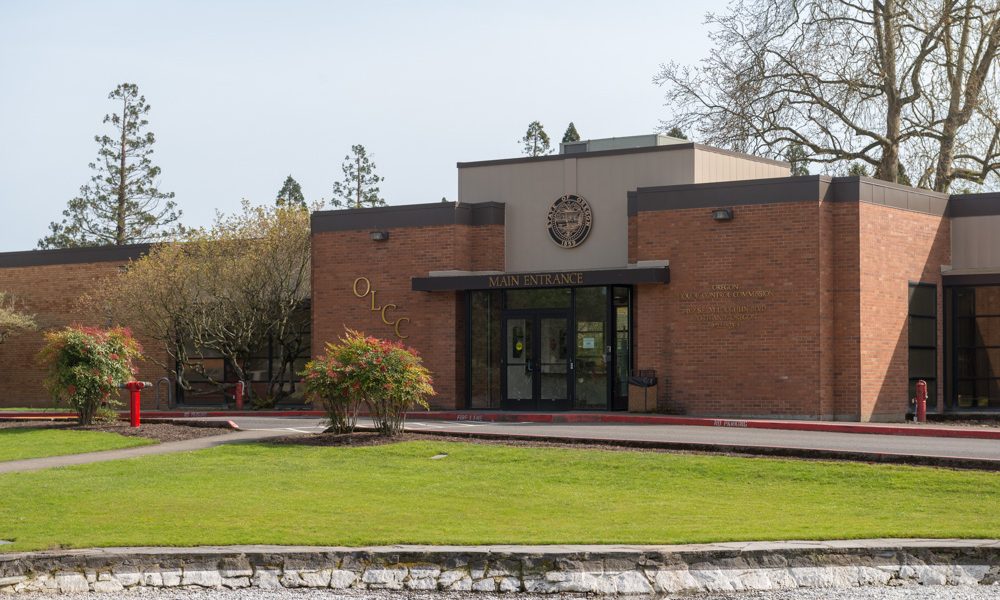
The executive director of Oregon’s liquor control agency will step down Wednesday as the state attorney general begins a criminal investigation into corruption.
Steve Marks, who has led the Oregon Liquor and Cannabis Control Commission since 2013, is one of six high-level employees who admitted in an internal investigation to setting aside rare, expensive bourbon for their own use or for gifts.
In a one-paragraph letter dated Monday, Marks said he will resign at 5 p.m. Wednesday. The letter and the internal investigation were first reported by The Oregonian/OregonLive.
“Governor Kotek has requested that I resign from my position as executive director of the Oregon Liquor and Cannabis Commission. Because I believe that the governor is entitled to have her own management team, I will honor that request.” Marks wrote.
Kotek first requested his resignation last month, Willamette Week reported at the time. Marks has remained on the job for at least two weeks since Kotek asked him to resign.
Mark Pettinger, the commission’s communications director, shared the resignation letter in response to an emailed request but didn’t respond to a question in that same email about whether the other five people implicated in an internal investigation are still employed.
The internal investigation found that deputy director Will Higlin, Chris Mayton, director of the distilled spirits program; Kai Nakashima, director of the office of information services, budget manager Bill Schuette and chief information officer Boba Subasic all were involved in setting aside liquor for personal use.
All six men said they paid for the liquor and kept it for their own use or for personal gifts instead of reselling it on the secondary market where the bottles cost many times their retail price. Bottles of Pappy Van Winkle, one of the rare bourbons acquired by state employees, are listed for thousands of dollars on online resale stores.
While the state employees didn’t steal liquor, the internal investigation indicates that they abused their positions by ordering that rare bottles be sent to specific stores where they or their representatives could purchase them, preventing members of the public from having the same access as state regulators. The liquor is so rare that most members of the public can only buy it by winning a lottery.
Oregon is one of 17 states known as “control states,” where state agencies regulate where and how liquor can be sold. Wine and beer are available in grocery stores, but hard liquor is kept in state warehouses and distributed to local liquor stores. The state also sets liquor prices.
Marks reported to the seven-member Oregon Liquor and Cannabis Commission, which is appointed by the governor. The commission’s next meeting is Wednesday morning.
Oregon Capital Chronicle is part of States Newsroom, a network of news bureaus supported by grants and a coalition of donors as a 501c(3) public charity. Oregon Capital Chronicle maintains editorial independence. Contact [email protected]. Follow Oregon Capital Chronicle on Facebook and Twitter.

Julia Shumway is editor of Oregon Capital Chronicle and has reported on government and politics in Iowa and Nebraska, spent time at the Bend Bulletin and most recently was a legislative reporter for the Arizona Capitol Times in Phoenix. An award-winning journalist, Julia most recently reported on the tangled efforts to audit the presidential results in Arizona.
More from our Newsroom